Monday, May 14, 2012

Monday, April 16, 2012
Thursday, January 26, 2012
Tuesday, January 24, 2012
Monday, September 26, 2011
Dragons' Den: ABCs About Me

Baking pumpkin bread when it's cold or raining is warming to the heart
Changed last name, legally, twice.
Dreams crazy, weird, strange dreams that sometimes foretell actual events
Eating different foods and trying new recipes is quite enjoyable
Foolishly ran a half marathon without training.
Got appointed Raiders fan. It was not a choice.
Has Justin Beiber's "Baby" song is a ringtone.
Irritated by puctuation, spelling and capitalization errors among older students and adults
Just got married not to long ago
Kicks butt in the Michael Jackson "The Experience" Video Game
Makes some pretty darn yummy breakfast sandwiches
Needs to make more time to fit some running in schedule
Often is hungry
Plans to transfer to CSUSM
Queue on Netflix consists of "The Office" DVDs
Recorded favorite songs on cassettes
Saves lives by donating blood every 8 weeks
Takes night classes at Palomar
Unlike what others think, the smell of skunk is quite pleasant
Venerates mother
Wanted to (at one time) be President, a pediatrician, a veterinarian, an archeologist, and a back-up singer & dancer
X-Men was a cartoon favorite growing up
Years and years ago,
Zebra print was all I could think about when planning my wedding.


Thursday, September 22, 2011
Dragons' Den: Life Lesson

A life lesson I learned the hard way is patience. I used to think that if I demanded perfection right away things would go my way. If I rushed through everything I wouldn't have to do it again, or it would be done faster. Then, I wasn't completing tasks neatly or correctly. I found myself becoming frustrated more than anything. I learned that people tend to err a lot and that no one is perfect. It's okay if things don't come out right the first time because there is always room for improvement, too. Now, I tend to take things more lightly. I pause, maybe take a breath, and wait. If things don't come out the way I want them, I try again.
Dragons' Den: Shoes

My favorite brand of shoes is Nike. In case you have never seen them, these shoes are flip-flops. They are very comfortable and come in a variety of colors. I wear these Nike sandals on a regular basis because they are extremely cushioned and help support my "arch" (I have very flat feet). I also like these sandals because I prefer them over closed-toe shoes. I do not like wearing socks or shoes! Even in the wintertime, I wear sandals! If I saw one of my peers wearing these shoes, I would complement them.
Wednesday, September 14, 2011
Drangons' Den: Power Outage
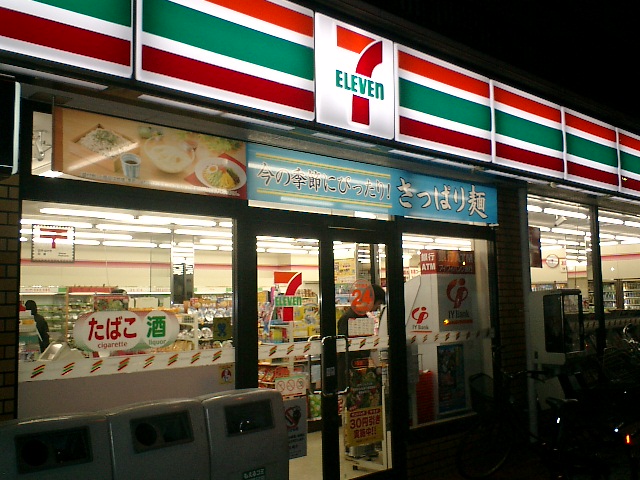
On Thursday evening, I was at cross country practice when I received a text from my younger brother informing me of a power outage. In response, I continued with workout. There wasn't much I could do because I was indoors and did not require electricity. Then, I went home after practice, laid down, and took a nap. When I woke up, it was dark. I was hungry and there was nothing in the fridge. I decided to drive around to see if any places were open. I drove by the 7-Eleven, and thought "If they're open 24 hours, do they ever lock their doors? And now that there's no power or customers, do they lock the doors? This would be one of the rare times they'd be closed!" I couldn't find any place that was open, so I drove back home. When the power came back on, I was asleep and was not aware it. I was very glad, though, to wake up finding out the power came back!
Thursday, August 25, 2011
Movie Plot Summary Paragraph
 In the movie The Lion King, the main characters are Simba, Timone and Pumba. The story's setting takes place in Pride Rock and in the jungle. The main conflict is that Simba's uncle, Scar, wrongfully took over the kingdom, allowing the hyennas in the lion pride. Next, Simba is scared out of Pride Rock into the jungle, where he meets Timone and Pumba. He spends many years with them, until the day Nala, Simba's old childhood friend, finds him. Simba is scared and confused; he does not want to assume the resposibilities as king. Simba still believes he is responsible for his father's death. Later, Simba finally realizes that he must take rightful position as king. Simba, Timone and Pumba fight the hyennas. The climax of the story is when Simba fights Scar and wins that battle. At the conclusion of the movie, Simba regains authority of Pride Rock, and he and Nala have a baby cub together.
Wednesday, August 24, 2011
First Day of School 2011

When I woke up on the first day of the new school year at San Pasqual Academy I did not know how the day would turn out. I ate breakfast, beat traffic, and arrived at the Tech Center. Then, I waited for first period class to show up. Throughout the day, returning students popped their heads in the classroom. It was great seeing the upperclassmen again. Later, I met the new freshmen. Some of them are very interesting individuals. Toward the end of the day, I had to go to Orange Glen for cross country practice. It is always a pleasure seeing new and returning runners! After that, I went to have dinner at my mom's. At the end of the day, I had enough time to go shopping for a few items I need. It was an eventful and long day.
Thursday, April 28, 2011
Wealth is Health
Wealth is Health
The food pyramid is a waste of time and is simply unnecessary. Nobody follows it to the tee. If people set their diets to the recommended servings on that pyramid, they would have to be rich in order to afford all that food—or they would be left poor. Nevertheless, there are millions in the United States who simply cannot afford buying all the servings from each food group. Moreover, because of the culture America has come to live by, fast-food chains, soda, alcohol, junk food, and the affordability and accessibility of these snacks and meals, the public is left with little choice but to purchase them. Americans have become unhealthy, overweight, and very prone to health problems. America would be more proactive and make healthier lifestyle choices with help from the U.S. government. The lack of support on the behalf of the United States government is a key factor as to why American is one of the least fit countries in the world. U.S. government does not promote, nor does it encourage, healthy lifestyles. However, with more support and funding through the government, Americans would not be as unfit as they are today.
In The Wealth of Nations, written in 1776, Adam Smith wrote, “sugar, rum and tobacco are…subjects of taxation” (qtd. in Leonhardt). Two hundred years ago, this kind of taxation was intact. Why not now? Taxing high-caloric foods, either at a state, or even city-level, would benefit populations both physically and financially. If there is an increase in price in either high-caloric, fatty foods and/or beverages, consumers will tend to purchase less of these items. Because fast-food chains advertise large portions customers think that bigger means more for less. However, the only thing they are getting is more unhealthy calories. According to The National Alliance for Nutrition and Activity, “large portions not only provide more calories, but studies show that when people are served more, they eat more food” (National Alliance for Nutrition and Activity, 1).
Furthermore, once consumers realize that companies are the selling same portions as before but the product is being taxed, consumers will consume less of that product, continue purchasing the product regardless of the high price or tax, and overtime, discontinue purchasing and consuming that product. By implementing taxes, less sugar, fat, and unhealthy foods are being consumed, thus reducing an individual’s risk for cardiovascular diseases, obesity, diabetes, and other many health-related problems. In addition, taxing unhealthy foods, will reduce the consumption, like when tobacco was taxed; “higher tobacco taxes reduced smoking” (Koch).
Not only will consuming less reduce health-related problems, and deter death, but if there are those who continue purchasing taxed items, revenue will accumulate from those taxes. Taxing items such as soda—a beverage lacking any nutritional value—will not guarantee an absolute discontinuation of consumption in the U.S. or the world. Bodies still need those sugars and fats to be used sparingly. Revenue from taxed junk food and beverages “could help low-income people by paying for healthier foods” (Koch). Moreover, alcohol is taxed. Alcohol is still killing people. Many lives are lost to DUIs, cirrhosis, alcohol abuse, which can lead to other serious problems and alcohol poisoning. Yet its taxes have lowered? High-calorie and high-sugared food and beverages also kills people, too! Many die from diabetes, cardiovascular diseases, obesity. Just being overweight or obese causes low self-esteem which can lead to depression, and can result in suicide, which is a bigger issue than imposing taxes.
When the issue of ‘taxes’ comes into play, many are opposed. Those opposing taxation on certain foods view is as communist or socialist, that government should not have the authority to control what one consumes. However, all the doctor visits from food and health-related issues affect the United States health care systems (CDC). Those opposed to taxation also do not realize that obesity and the fact that many are overweight, is costing the state millions of dollars. Lost productivity is also result of increase of overweight and obese people (Girion). What one does not realize is that obesity and related problems affect the work place. And being unable to fully function at one’s fully potential is difficult to do if an individual is overweight or constantly going to the doctor’s for weight and health-related illness.
Some have even started pushing for a better, healthier nation. In this case, a simple proposal shows interest and a vision for healthy lives. In 2008, David A. Paterson, governor of New York, “proposed an eighteen percent sales tax on non-diet and sugary juice and drinks” (Arnst). This clearly demonstrates that taking initiative to attempt to create change for the better there is a problem that needs to be brought for the public and government’s attention. By imposing such tax, it “would raise $404 million,” for then-2009 fiscal year (Arnst). This opportunity to raise money is one that should not be overlooked. Today, in New York, fifty-eight percent of adults are overweight (Brownell). Millions of dollars are available to help promote healthy programs and lifestyles. Taxing soda would be a smart way to fight obesity. Soda may not be the reason for obesity and other health problems, but sugary drinks are the single largest contributor of growing obesity (Koch). And they are certainly very present and a very important factor in diets, lifestyles and cultures, that still affects the well-being of individuals.
Americans consume a lot more calories than they did thirty years ago. Taxation of unhealthy foods will reduce weight gain and other health-related issues. However, that alone will not solve the health problems Americans have because of poor diets. The dietary choices Americans make do not include high levels of nutrient-dense foods. This is partly due to the high prices of healthy and organic fruits, vegetables, nuts, grains and beans. In addition, organic, pesticide and hormone-free fruits and vegetables and animal protein are not as easily available and cost too much to afford for daily basis consumption. By increasing access to more healthy foods, Americans are able to make better choices and live healthier lives. For example, such revenue can be used to “[increase and improve availability of supermarket and farmers market in underserved areas]” (CDC). Pulitzer Prize winner, David Leonheardt, could not have said it better when he wrote an article for The New York Times, “If [Americans consumed fewer calories], we would be both thinner and richer” (Leonhardt).
Simply taxing certain foods will not solely help create a healthier nation. Advertisement needs to change. Food and beverage advertisement must be changed, limited and regulated in order to create and promote a healthier country. Why is it that burger joints, carbonated beverages, like soda, weight loss pills—even alcohol—are advertised yet programs like 5-a-Day rarely seen? Government funding needs to be created in order to promote and expand the promotion of consuming fresh fruits, vegetables, grains and beans. If advertisement to sell clothes, new technology, cars, services and many other unnecessary gadgets and doohickeys, then advertisement must also work to promote the selling and consumption of beneficial food. So far, 5-A-Day commercials are the fewer ones being aired and advertised on television. This program “receives about five-million dollars in annual funding and has a negligible impact” (Jacobson, 153).
Advertisement through commercials, or through any other media, for unhealthy, high-caloric food needs to lessen. Less advertisement of unhealthy food means that less promoting would be done. In return, that would lead to less purchasing of that product. The less advertisement the public experiences, retention of information is less, thus consumption and purchasing products decreases. Not only should there be a limit or reduction to advertisement, but it must also be regulated. Advertisement, however, is not the only aspect that needs to be regulated. Fast-food chains also need to be regulated, decreased or limited. By strategically placing fast-food restaurants farther away from communities, individuals are less likely to approach and purchase meals there. Not having these outlets as easily available, accessible or convenient, people will not be as prone to go out of their way to grab a bite to eat. The accessibility of these fast-food joints is what created the problem of obesity and health-related dilemmas in the first place.Local governments also need funding in order to encourage and maintain healthy communities. Funding for creation and maintaining facilities that encourage, promote, and educate communities about fitness, health and nutrition will benefit individually greatly. Instead of building or opening another Starbucks, Taco Bell or McDonald’s on the corner, or near publicly-dense areas, a fitness center could replace it. Creating more recreational facilities to increase physical activity would only be of assistance to countless. With the help of government aid, families and individuals would have affordable access to a gym and become educated though courses which promote fitness, nutrition and healthier eating habits.
Additionally, community gardens are also a wonderful, easy, and affordable technique to promoting and encourage better eating behaviors. Moreover, incentives could also be placed here. Through local farming and community gardens, more produce can be sold at the local farmers’ markets. (And implementing more farmers’ market in the community schedule would not be such a bad idea, either!) Because food would be more affordable, more families and individuals would consume more nutritionally-dense groceries. An article in The Wall Street Journal describes a study in which “kids who live in areas where fruits and vegetables are expensive are more likely to gain excess amounts of weight than kids in areas where those foods are relatively cheaper” (Rundle). Because accessibility to healthy, affordable, nutrient-rich food is not present in the community, people turn to process, junk and fast-food. People buy the unhealthy stuff. Why? Because it’s cheap! People are not buying the healthy food. Why? Because it’s expensive! Now, it the roles were reversed, would Americans still buy expensive, unhealthy food? Of course not. But the sad part is that people are buying and eating what they can afford.
Although many may not see obesity as a problem, it is a constant reminder that Americans need to find ways to improve one’s own health and life. Many may not agree that this is an issue that U.S. government needs to deal with, but it is the help America needs is dire. The government’s aid can only benefit such need. Adults and children are gaining weight as a result of not being able to afford fruits and vegetables or the correct food on the pyramid. Many are malnourished as a result of lack of nutritive-based food. In the 1990s, the United States Department of Agriculture—a department created and funded by United States government—established the food pyramid in order to “improve the nutrition and well-being of Americans” (USDA). U.S.D.A. was the one that created the guidelines for the food groups. The foods U.S.D.A. recommends are expensive to purchase in order to abide by those guidelines. If this department of the government created such a pyramid, shouldn’t the government then help the one’s they want to have follow such guidelines? Food has become almost unaffordable, yet people disagree with the fact that government should step in? It only makes sense that government should support and repair the pyramid project it started.
Works Cited
Arnst, Catherine. "Taxing the Rich—Foods, That Is." 12 Feb 2009. Business Week. 12 Apr 2011
Brownell, Kelly. “Want a Healthier State? Save Gov. Paterson's Tax on Sugar Soda.” New York News – NY Daily News. 17 Feb. 2009. Web. 12 Apr. 2011.
CDC. “Healthy Communities: What Local Governments Can Do To Reduce and Prevent Obesity.” GA, Atlanta. 11 Apr. 2011. PowerPoint. http://www.cdc.gov/obesity/downloads/CDC_Healthy_Communities.pdf
Girion, Lisa. “Obesity Is Costly to State, Report Says; Californians’ Weight Problems Could Lead to Health Expenses and Lost Productivity Totaling $28.7 Billion This Year, the Study Says.” Los Angeles Times [Los Angeles] 6 Apr. 2005: C1. ProQuest. Web. 12 Apr. 2011.
Jacobson, Michael F. Six Arguments for a Greener Diet: How a More Plant-based Diet Could Save Your Health and the Environment. Washington, DC: Center for Science in the Public Interest, 2006. Web. 11 Apr. 2011.
Koch, Wendy. “Soda Makers: Don't Tax Our Soft Drinks.” USATODAY.com. 16 Aug. 2009. Web. 13 Apr. 2011.
Leonhardt, David. “Sodas a Tempting Tax Target.” The New York Times. 19 Apr. 2009. Web. 12 Apr. 2011.
Rundle, Rhonda L. “Study Links Produce Prices to Obesity.” Wall Street Journal [New York] 6 Oct. 2005: D5. ProQuest. Web. 12 Apr. 2011.
The National Alliance for Nutrition and Activity. From Wallet to Waistline The Hidden Costs of Super Sizing”. Rep. The National Alliance for Nutrition and Activity. Web. 13 Apr. 2011. <http://www.cspinet.org/w2w.pdf>.
USDA. "USDA's MyPyramid.gov - About Us." MyPyramid.gov. 9 Feb. 2011. Web. 27 Apr. 2011.
Wednesday, February 2, 2011
Wednesday, January 5, 2011
Thursday, December 16, 2010
What SPA Students & I Learned in the Second Quarter English 9 & 10
What SPA Students & I Learned in the Second Quarter English 9 & 10
What I Learned in English 9/10 Second Quarter
Monday, December 6, 2010


Thursday, December 2, 2010
Wednesday, November 17, 2010
Not Happy with Your Grade?
Were you absent and are now missing assignments?
Did you complete assignments late and want credit for them?
Fix your grade by fixing your URL (and/or filling out the form).
Form
Tuesday, September 14, 2010
Controlling Impression Essay
“Whenever I’m with my mother I feel as though I have to spend the whole time avoiding land mines.” Amy Tan could have not said it more clearly. This quote, taken from her book, The Kitchen God’s Wife, pinpoints my relationship with my mother as I was growing up. It seems that I could never say the right thing around her because she’d explode when I’d speak. Her meek, petite, slender body was deceptive of her personality because her demeanor was quite the contrary. However, regardless of the endless, repetitive lectures and scolding, I have ultimately understood the meaning and significance of my mother’s behaviors and actions towards me.
Many times, I second-guessed Mom’s actions and decisions, like the morning when I was in second grade and could not find my hairbrush. That morning Mom was trying to get my brothers and me ready for school. Her long, dark brown hair was still wet and uncombed from her shower. Her curvy, yet slender figure stood in front of the stove, as she served breakfast. As always, she’d cook four three-minute noodle soups in one big pot. Then she noticed that my hair hadn’t been braided. Her almond-shaped eyes quickly glanced in my direction, then back to the pot of noodles.
“Tráeme el cepillo,” she said abruptly, still serving the long stingy noodles. “Bring me the hairbrush.”
I frantically went looking for it just after slurping the always-overcooked noodles—beef flavor. For some reason or other, my brush would always be missing, despite me bring the only girl in the family, besides Mom. She moved quite swiftly, as she desperately looked for the keys—those always were missing, too—when I came back empty-handed.
“I can’t find it; I don’t know where it is,” I said, frustrated.
Silence. She continued lifting the cushions from the sofa in search of her keys.
“What do I do?” I thought to myself. “What am I going to do?”
“Get the dustpan brush,” she calmly replied.
“What?” I asked, not believing what she said.
“Get the dustpan brush,” she repeated, her voice raising her voice. I did as I told, as to not waste more precious time. As I handed the black, dusty brush to her, I automatically turned around to have my hair brushed, knowing she would. The dusty, dirty bristles ran though my hair. Like always, she told me to tilt me head back as she started dividing sections of hair o make a braid. Despite being well-groomed, I felt dusty, dirty, and self-conscious. However, after that day, I knew exactly where my hairbrush was.
Many years later, my junior year in high school to be exact, my brother, Ricky and I had come home from a track meet one late evening. I was tired from the week’s workout and my shins were in pain (shin splints). Ricky went in the kitchen and started heating the food that Mom had prepared earlier. I was getting ready to take a shower as Mom walked through the door from the laundry mat looking tired and annoyed. Ricky asked her if she wanted to eat.
“ No, mi’jo, no te preocupes por los demas; tu come,” she answered him calmly, almost soothingly. “Don’t worry about the rest of us; you go ahead and eat.”
“How come you don’t tell that to me?” I butted in.
Mom looked directly at me. Her brow furrowed. Her countenance changed from a soft, tired one to a fierce, stern one. “Don’t think about getting in the shower. You have to go dry the clothes.” As she spoke to me, she shook her pointing finger at me, accusingly like she always did when she’d lecture.
Immediately, tears of anger welled in my eyes. I silently obeyed and left before the first tears rolled past my eyes. “Why do I, the only female child, have to take care of all the others all the time?” I thought.
At times I felt that she over-protected me. I wasn’t allowed to go to my friends’ quinceañeras—including my best friend’s—or to the movies—even though we lived almost down the street from the theatre. Towards the end of my junior year, a boy asked me to go to the movies that weekend with him. (It was his plan to work his way up to asking me to the prom. I knew it, too, but how was I ever going to tell her that a senior had asked me to the prom?! ) It took me several days to ask Mom’s permission to go to the movies. I decided to ask her when she was in her room watching one of her favorite shows, “Laura en America,” a show very similar to Oprah. If I asked her then, I thought, she would pay little attention and would she yes in order for me to let her enjoy the show. She didn’t like being interrupted while she watched television; that was her time to relax. With butterflies in my stomach and heart pounding in my throat, I asked her. She didn’t answer right away. She didn’t acknowledge me. Her silence had me screaming on the inside.
“Who are you going with?” she asked without moving her eyes away from the TV.
“Elvis,” I responded.
“What’s that?” she asked in Spanish. Apparently, she had never heard that name. I think she asked that in order to trying to avoid the subject.
“It’s a name. My friend, Elvis, is in my Spanish class.”
She glanced at me emotionless, and then continued watching Laura.
Her silence represented the end of that conversation. Mom did not answer yes or no which created turmoil in me.
“Vete,” she finally said sarcastically. “Go.”
Feeling embarrassed, relieved, and trying not to show any signs of excitement or emotions I darted for the living room.
The weekend seemed to take forever, but finally had arrived. As I got ready, I could feel my mother observing me from the corner of her eye. Trying not to call much attention to myself, I did.
“Is he going to pay for your ticket or are you going to sit outside and wait for him like an idiot?” she asked abruptly, almost doubtingly. What kind of question was that?
“Well, duh, Mom. He invited, so he gets to pay,” I said, almost justifying myself.
As I tried to give her a goodbye hug, she almost teared up. “Can you imagine what your father would say?”
I couldn’t believe she brought him up. I have no recollection of my father, no memories, nothing. All my life, she had said that he left her or that she left him. Whatever the story may be, the point is, he had never been in the picture, so I didn’t understand why she mentioned him.
“Mom, he hasn’t been in my life so I wouldn’t care what he’d have to say—he doesn’t get a say in anything,” I responded.
“Go,” she whispered as she gave me a limp hug. I like hugging her because she is petite, and I feel big compared to her. When I hug her, it feels like the roles are reversed for that short instance. Mom then pretended to clean the kitchen, even though I had cleaned it earlier that day. I walked out the door.
The movie ended just a few minutes after nine. When Elvis dropped me off, I bolted out of the car before the car came to a complete stop. I sprinted upstairs to the apartment and got home at 9:12. I did not make curfew, not because I didn’t want to. I had just run out of time. When I opened the front door, all the lights were out. Everyone had gone to sleep.
Mom did not say a word to me the next day. The tension in the room was unbearable! I had disappointed her. I didn’t understand why she was so upset—I was only 12 minutes late. Nothing I did pleased could ever please her.
Mom’s tough character made my life miserable. All this time I thought she targeted me and was mean because I was the only daughter. I thought that her Mexican roots and machista views were the basis of her oppression towards me. I was wrong. The reactions of this dainty dictator I call ‘Mom,’ have helped shape who I am. She treated me like an adult to teach me independence. There was a motive behind every action, behind ever word she directed toward me—despite my questioning. Having graduated and moved out the house, I can say that the greatest mines have been detonated, and the field has been cleared.
Thursday, August 12, 2010
31 Random Things About Ms. Raquel
- I want to be left-handed when I grow up.
- I think I may be a little ambidextrous.
- I like to eat cold pancakes. They are best when they are recently made, drenched in syrup, and have been sitting for hours. Only then are they yummy.
- I thought I was becoming OCD when living with my first roommate.
- I ran away from home at the age of 19.
- I have the strangest (reoccurring) dreams a lot of the time (end of the world in form of flood, dying, etc.
- I have seen/lived a couple of things dreamed prior to them happening. Freakyyy!
- I used to use my index finger as a microphone. Then my youngest brother actually got me a fake microphone—then I stopped using anything as microphone.
- I always have cold feet. Literally! My feet are always cold!
- As deformed and unattractive as my toes/feet are, I have come to love them.
- I find beauty in the smell of skunk.
- I prefer Folgers over Starbucks.
- I prefer lentils over beans.
- I put corn in tuna salad.
- My shins are very injury prone. OUCH!
- I changed my last name once, and it will remain that way—unless John Mayer and I get married. Then I will be Raquel Cruz-Mayer.
- Until recently, my memory was very good. I don’t know what happened, but it’s not as sharp as before.
- My mom thinks I’m a bad influence. (Bad influence, my @$$!)
- Most of the time, I feel old, but that’s only because I’m around young people, too.
- I don't want to grow up.
- I was yelled at by a substitute. I worked as an instructor's aid for the Escondido school district. She thought I was a student.
- I want to believe that my mom and I will someday get along, but I’m too much of a softy to prove her wrong.
- Aliens and UFO do not exist.
- I lost a best friend because of another best friend. In the end, they lost me. Some friends, hunh?
- A day without music is blaaaaaaaaand.
- Food is my weakness!
- I have saved over 24 lives by donating blood. I am O+.
- I have had to get a rental car on two occasions because I was involved in car accidents--both of which I was not at fault.
- I used to be radio ADD.
- I have a love/hate relationship with running.
- It feels strange when I am called Ms. Cruz, but only at SPA.